How Ergonomics, Maintenance & Sustainability Unlock Decades of Lab Chair Durability
In high-stakes laboratory environments, equipment investments are scrutinized for performance and cost-efficiency. While analytical instruments command attention, one critical component often overlooked is the laboratory chair. Selecting chairs designed for longevity isn’t merely about comfort—it directly impacts operational budgets, researcher safety, and sustainability goals. Laboratories waste thousands annually replacing substandard seating. This guide examines three core pillars—Ergonomics, Maintenance, and Sustainability—that transform lab chairs into durable, long-term assets.
The High Cost of Chair Failure in Labs
Laboratory chairs endure unique stressors: chemical exposure, frequent adjustments, extended use cycles, and aggressive cleaning protocols. Flimsy chairs fail prematurely, leading to:
● Escalating replacement budgets
● Increased risk of researcher musculoskeletal disorders (MSDs)
● Workstation downtime due to broken seating
● Unnecessary waste generation
Investing in scientifically designed, maintainable chairs mitigates these risks. Below we dissect the elements enabling exceptional lifespan.
Ergonomic Design – Engineering Resilience Through Human-Centered Design
Ergonomics applies biomechanical science to create furniture supporting human health and durability. Lab chairs require features combating physical stress that damages both users and equipment.
Adjustable Height: The Foundation of Fit & Durability
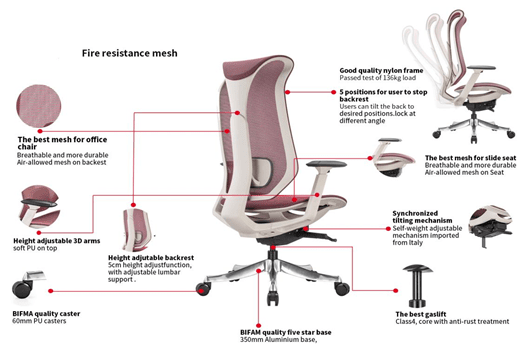
Chairs strained by incompatible user heights suffer uneven wear on mechanisms, casters, and seats. Proper height adjustment distributes weight optimally, reducing point-load stress. Users avoid leg strain and constant repositioning that stresses chair bases. Prioritize heavy-duty gas lift cylinders (Class 2 or higher) ensuring smooth operation under daily demands.
Lumbar Support: Protecting Spines and Structure
Poor posture accelerates chair degradation. Slouching creates uneven pressure on seat pans and backrests, leading to premature foam collapse or joint fatigue. Active lumbar support maintains spinal curvature, promoting even weight distribution. Adjustable lumbar systems accommodate diverse anatomies, extending chair usability.
Lab-Grade Material Selection: Armor Against the Environment
Standard materials fail under chemical exposure. Prioritize:
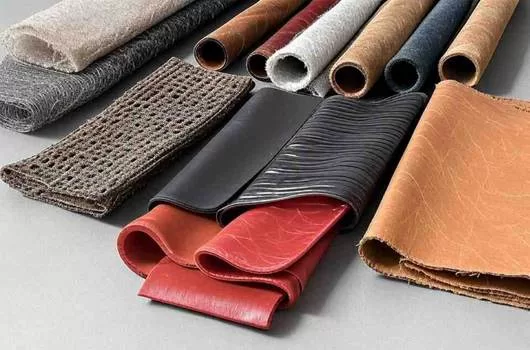
● Non-porous, chemical-resistant upholstery (e.g., polyurethane meeting ISO 17095 standards)
● High-density, slow-recovery foam retaining support over years
● Reinforced polymer or metal frames resisting torsion stress
● ANSI/BIFMA X5.1 certification indicates commercial-grade durability essential for labs.
Ergonomic lab chairs inherently last longer: they promote biomechanically sound usage and incorporate materials engineered for laboratory rigors.
Proactive Maintenance – Preserving Function Through Care
Even robust chairs require systematic upkeep. Simple routines prevent premature failure:
Cleaning & Sanitization: Preventing Degradation
Chemical residues and grime degrade materials. Follow manufacturer protocols using lab-approved disinfectants. Daily wipe-downs prevent acid etching or solvent damage to upholstery. Focus on crevices where contaminants accumulate.
Scheduled Inspections & Repairs: Intercepting Failure
Minor issues become catastrophic if ignored. Implement quarterly checks:
● Test caster movement; remove entangled debris
● Verify smooth operation of adjustment mechanisms
● Tighten loose bolts (armrests, base plates)
● Inspect upholstery for tears or chemical damage
● Assess base stability
Stock common spare parts (casters, lift cylinders) for immediate repairs.
Proper Storage: Shielding During Inactivity
Chairs stored in aisles or under equipment risk impact damage or environmental exposure. Designate clean, climate-controlled storage areas. Use vertical stackers if space-constrained, ensuring compatibility with chair design.
Consistent maintenance is cost-effective insurance. Cleaning, inspection, and careful storage prevent minor issues from triggering replacements.
Sustainable Design – Engineering for Lifecycle Longevity
True durability encompasses a chair’s entire lifespan. Sustainable design principles extend usability and enable responsible end-of-life processing.
Advanced Eco-Materials: Durability Meets Responsibility
Recycled aluminum frames and bio-based polymers now match virgin material performance. Crucially, they maintain chemical resistance and structural integrity. Certifications like GREENGUARD validate low emissions without sacrificing durability.
Modular Architecture: The “Repair, Don’t Replace” Model
Chairs with swappable components—seats, armrests, lift mechanisms—transform repairs from burdensome to trivial. Replacing a torn seat or failed caster costs 70% less than a new chair and keeps cores in service for 15+ years.
Design for Disassembly & Recyclability
Mono-material construction (e.g., all-polypropylene seats) or easily separable materials enable efficient recycling. Partners offering take-back programs ensure chairs are dismantled responsibly, diverting waste from landfills. Cradle to Cradle Certified™ products exemplify this approach.
Sustainable chairs deliver decades of service through upgradability and are recovered responsibly, reducing lifetime environmental impact by up to 60% compared to conventional models.
Conclusion: The Longevity Dividend
Laboratory chairs embody critical investments affecting productivity, safety, and sustainability. Integrating ergonomic engineering, disciplined maintenance, and sustainable design delivers transformative benefits:
1. Ergonomics prevents misuse-driven wear via biomechanically sound usage.
2. Maintenance preserves function through predictable care protocols.
3. Sustainability maximizes usable lifespan via modularity and closes the material loop.
Evaluate chairs holistically: demand proof of ergonomic validation (e.g., EN 1335 testing), access to spare parts, and environmental product declarations (EPDs). This approach minimizes Total Cost of Ownership while safeguarding researcher well-being and ecological impact. Durable chairs become silent workhorses—supporting discovery sustainably for generations.