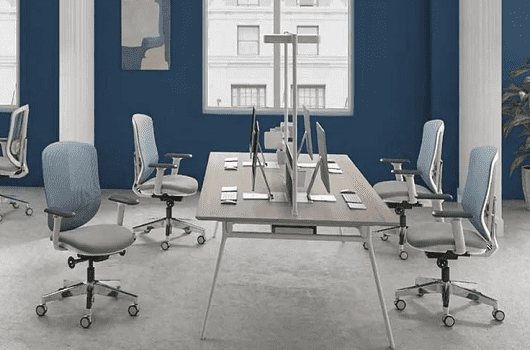
Office Chair Ergonomics 101: Essential Features for Long-Hour Workdays in Healthcare
Picture this: It’s the middle of a 12-hour shift in a bustling hospital ward. You’re a nurse charting patient vitals, your back starting to ache from hours glued to that unforgiving chair. Sound familiar? In the demanding world of healthcare, where every minute counts, office chair ergonomics isn’t some buzzword—it’s your secret weapon against burnout and injury. We’re talking about chairs that don’t just hold you up but actually support your body like it deserves, especially during those marathon days that leave you feeling wrecked. This deep dive into office chair ergonomics will unpack the must-have features that can make all the difference, drawing from the latest insights to help you or your team stay sharp and pain-free.
Healthcare pros know the drill: long hours mean big risks. Recent stats paint a grim picture—nearly 40% of U.S. adults grapple with musculoskeletal (MSK) conditions, racking up a whopping $381 billion in annual medical costs.
And it’s hitting the front lines hard; one study found 83.9% of hospital nurses reporting MSK symptoms. That’s why nailing office chair ergonomics from the get-go can slash those numbers, boosting not just comfort but overall job satisfaction. Stick with me as we break it down, feature by feature, so you can spot the winners when shopping for your clinic or lab.
Understanding the Basics of Adjustable Seating in Clinical Environments
Let’s kick things off with the bedrock of any solid office chair ergonomics setup: adjustability. In a clinical space, where you’re bouncing between patient rooms and paperwork, a one-size-fits-all seat just won’t cut it. Think about it—your height, the desk setup, even the type of task you’re tackling—all that demands a chair that bends to your will, not the other way around.
Why Height Adjustment Matters for Daily Tasks
Ever tried typing with your feet dangling like a kid at the grown-ups’ table? It’s a recipe for poor circulation and that nagging lower back twinge. Office chair ergonomics shines here with pneumatic height controls, letting you dial in so your feet plant flat on the floor and knees hit that sweet 90-degree bend. This isn’t fluff; it’s functional gold for tasks like reviewing scans or updating records. Pros recommend aiming for thigh-to-floor clearance that keeps pressure off your legs, and in healthcare, where you’re up and down all day, this tweak alone can cut fatigue by promoting better blood flow. I remember chatting with a doc who swore by it—said it turned his endless charting sessions from drudgery to doable.
The Role of Tilt Mechanisms in Reducing Strain
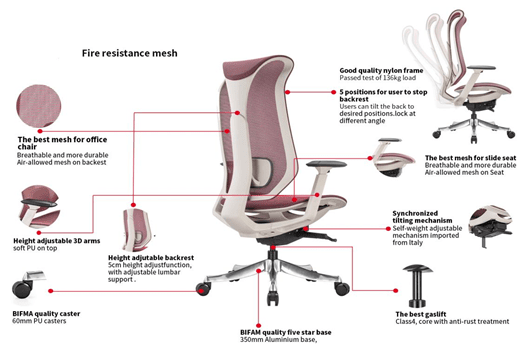
Now, imagine your chair moving with you, not fighting every shift. That’s the magic of tilt mechanisms in office chair ergonomics, like synchro-tilt where the backrest and seat rock together. It encourages subtle posture changes, easing the load on your spine during those forward-leaning moments over a patient’s chart. Lockable recline? Even better for quick breathers without leaving your spot. In high-stakes settings, this fluidity means less distraction from discomfort, letting you focus on what matters—patient care.
Lumbar Support: The Key to Preventing Chronic Back Issues
Ah, the lower back—that battleground for so many in scrubs. Office chair ergonomics puts lumbar support front and center because, let’s face it, slouching over a keyboard or bedside is inevitable. But a good lumbar curve hugger? It cradles that vital spinal dip, warding off the kind of pain that sidelines good people.
Types of Lumbar Designs for Extended Sitting
From static pads to dynamic sliders, office chair ergonomics offers lumbar love in all shapes. Adjustable ones let you slide it up or down for that perfect pocket of support, while ratcheting versions notch in like a pro. Memory foam? It molds to you over time, ideal for those 12-hour hauls. In labs or exam rooms, where you’re perched for precision work, these beat basic cushions hands down. One lab tech I know raved about a contoured model that felt like it was custom-built, turning her shifts from stiff to seamless.
How Proper Alignment Boosts Productivity
It’s not just about dodging aches; killer office chair ergonomics with lumbar focus amps up your output too. Aligned spine means less energy wasted on fidgeting, more on quick thinking. Studies back this—ergonomic tweaks like these correlate with sharper focus and fewer sick days in medical teams. Picture wrapping up reports faster or spotting subtle symptoms sooner because you’re not battling a knot in your back. That’s the ripple effect: healthier you, happier patients.
Armrest Adjustability for Shoulder and Wrist Comfort
Your arms deserve some spotlight in the office chair ergonomics conversation. Hunched shoulders from fixed rests? That’s a fast track to tension headaches or worse, especially when drawing blood or tapping away at EMRs.
Benefits of Multi-Dimensional Arm Supports
The best office chair ergonomics armrests? They move in every direction—height, width, even swivel. This lets elbows tuck in at 90 degrees, keeping shoulders relaxed and wrists neutral. Padded with soft urethane, they cushion without compressing nerves, a godsend for repetitive tasks. In a 2025 review of top chairs, multi-adjustable arms scored high for slashing shoulder fatigue in pros like phlebotomists. It’s like giving your upper body a perpetual high-five.
Common Mistakes in Armrest Setup
But here’s the trap: cranking them too high or locking them rigid. Office chair ergonomics pitfalls like that force awkward angles, inviting carpal tunnel or elbow woes. Test it out—your forearms should skim the desk without hiking shoulders. A quick fix? Weekly tweaks to match your setup. Avoid this, and you’ll dodge those nagging pains that creep up mid-shift.
Seat Depth and Width Optimization for Varied Body Types
Not everyone’s built the same, and office chair ergonomics gets that. A seat that’s too shallow pinches thighs; too wide, and you’re sliding around. Nailing this means comfort for all shapes in your diverse team.
Measuring for the Perfect Fit in Busy Schedules
Grab a tape: Ideal office chair ergonomics seat depth leaves 2-4 inches from knee back to edge, ensuring no circulation squeeze. Width? Hip-plus room without gaps. Waterfall edges round it off, easing thigh pressure. For the on-the-go medic, this fit means stable perching during rushed consults. It’s a small measure for big gains in endurance.
Breathable Materials for All-Day Use
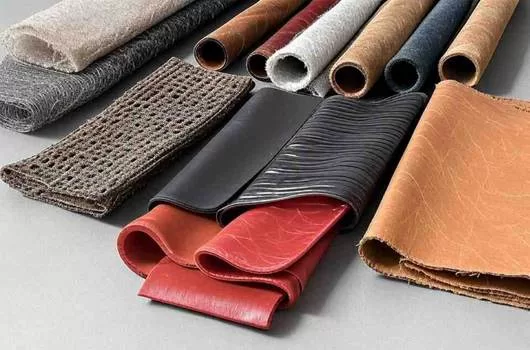
Sweaty shifts in stuffy rooms? Office chair ergonomics counters with mesh or perforated seats that breathe. These wick away moisture, keeping you cool and dry—crucial in sterile but warm clinics. Opt for antimicrobial fabrics too; they fight germs while you fight the day. Users report up to 20% less discomfort with these ventilated wonders.
Headrest and Neck Support Essentials in High-Stress Settings
Neck strain sneaks up, especially staring at screens in tense moments. Office chair ergonomics headrests? They’re the quiet guardians, propping your noggin just right.
Ergonomic Headrests for Posture Correction
Contoured and adjustable, these in office chair ergonomics cradle the head’s weight, fighting “forward head” posture. Recline back for micro-breaks; it’s restorative without the full stand-up. In med spas or ERs, where stress peaks, this can trim neck pain by 65%, per recent journals. Feels like a mini-vacation mid-chaos.
Integrating with Workstation Layouts
Sync it with your monitor—eyes level, neck straight. Office chair ergonomics harmony here cuts strain dramatically. Add a standing desk? Even better for variety. Teams that blend these see workflow magic, less downtime from tweaks.
Footrest and Caster Innovations for Mobility and Circulation
Office chair ergonomics isn’t parked; it’s mobile. Feet dangling? Circulation tanks. Enter footrests and wheels that keep things flowing.
Anti-Fatigue Features for Shift Workers
Flip-up footrests in office chair ergonomics lift legs just enough to ease pooling, vital for night owls. They adapt for height diffs too, promoting shifts that stave off numbness. Shift workers hail them for sustaining energy through the wee hours.
Easy-Glide Options for Dynamic Workspaces
Soft-tread casters? They roll silent over tiles, locking firm for stability. Five-star bases in office chair ergonomics handle quick spins between stations. In dynamic wards, this mobility means efficiency without the hassle.
Maintenance Tips to Ensure Long-Term Durability and Safety
Your investment in office chair ergonomics needs TLC to last. Skip this, and features fade fast.
Cleaning Protocols for Hygienic Environments
Weekly wipes with gentle disinfectants keep office chair ergonomics pristine in germ zones. Steer clear of abrasives that gum up adjusts. Antimicrobial coatings? Bonus for longevity.
When to Upgrade for Optimal Health Benefits
Sags or squeaks? Time to swap. Annual checks align with new office chair ergonomics advances, like smarter tilts. Fresh gear keeps benefits peaking, teams thriving.Wrapping up, embracing these office chair ergonomics gems isn’t optional—it’s transformative. From slashing MSK woes (hello, 38.4% drop potential in EMS) to fueling peak performance, the right chair pays dividends. So, next procurement round, prioritize these. Your back—and your patients—will be eternally grateful.