How To Employ The Functions of Ergonomic Lab Chairs ?
In laboratories, where long hours of sitting, precise work, and complex tasks are common, choosing the right chair is critical. Ergonomic lab chairs are designed to offer support, comfort, and adaptability to meet the unique demands of lab environments. These chairs prioritize posture, reduce strain, and ensure that researchers and laboratory staff can work efficiently without experiencing fatigue or discomfort. This article explores the importance, features, and benefits of ergonomic lab chairs, along with key factors to consider when selecting one.
What Are Ergonomic Lab Chairs ?
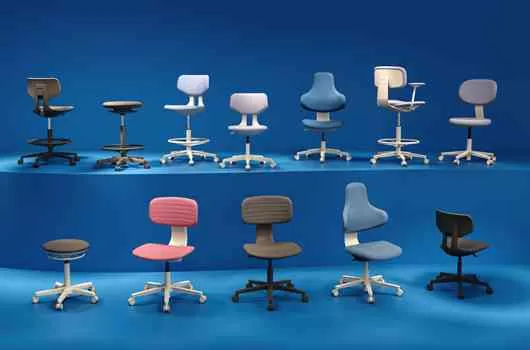
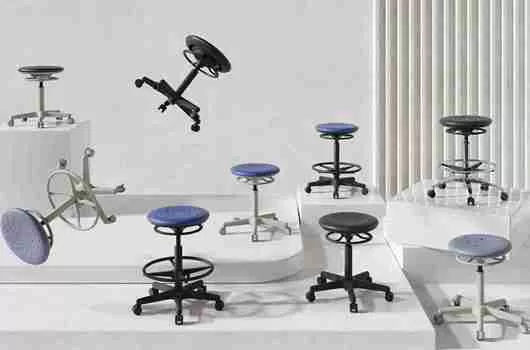
Ergonomic lab chairs are seating solutions designed specifically for laboratory environments. Unlike traditional office chairs, these chairs are tailored to support the physical demands of laboratory tasks. They are built to help users maintain proper posture, minimize discomfort from prolonged sitting, and allow for flexibility in movement. These chairs typically feature a variety of adjustable components, such as seat height, backrest angle, armrests, and footrests, to accommodate a wide range of body types and work conditions. The goal of an ergonomic chair is to reduce the risk of musculoskeletal disorders (MSDs) and enhance overall comfort and productivity.

Key Features of Ergonomic Lab Chairs
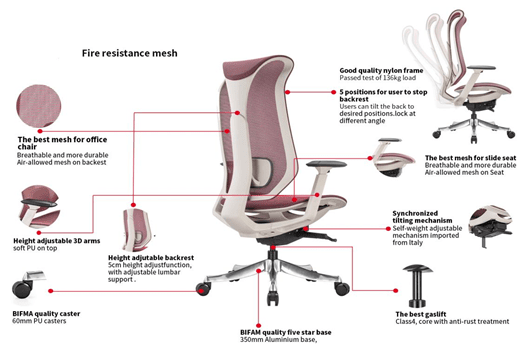
Adjustability: One of the most important features of ergonomic lab chairs is adjustability. The chair must be customizable to suit different users and tasks. Common adjustable components include:
- Seat Height: Allows the user to position the chair at the correct height relative to the work surface, ensuring the knees are at a comfortable angle (typically 90 to 100 degrees).
- Backrest Angle and Height: The backrest can be adjusted to support the lower back and provide lumbar support, which is essential for maintaining proper posture during long hours of sitting.
- Armrest Height and Width: Adjustable armrests help maintain arm positioning to reduce strain on the shoulders and neck, especially for tasks that require precise hand movements.
- Seat Depth: Ensures the user’s thighs are fully supported, helping to avoid pressure on the back of the knees.
Lumbar Support: Ergonomic lab chairs are designed with lumbar support to maintain the natural curve of the lower spine. Proper lumbar support prevents slouching and helps distribute weight evenly, reducing strain on the back. Some chairs feature dynamic lumbar support, which adjusts based on the user’s movements and posture.
Seat Cushioning: The seat of an ergonomic lab chair should be well-padded and made from materials that offer both comfort and support. High-density foam is a popular choice because it contours to the body without losing its shape over time. The cushioning should also allow for air circulation to prevent discomfort from sweating during long periods of sitting.
Swivel and Mobility: Labs often require users to move between different stations or equipment. Therefore, ergonomic lab chairs are typically equipped with a swivel function and casters that provide ease of movement. This flexibility allows users to rotate their chair or move around the workspace without straining their back or legs.
Benefits of Ergonomic Lab Chairs
Improved Comfort: The primary benefit of ergonomic lab chairs is the enhanced comfort they provide. By offering adjustable settings and superior support, these chairs help users maintain a neutral body posture, which reduces discomfort and fatigue during long hours of sitting. Comfortable seating improves focus and productivity by minimizing distractions related to physical discomfort.
Increased Productivity: When workers are comfortable, they can concentrate better on their tasks, leading to increased efficiency and accuracy. Ergonomic lab chairs ensure that users are properly supported while performing tasks that require focus, such as examining samples, writing notes, or conducting experiments. By reducing physical strain, these chairs help workers stay focused and perform at their best.
Prevention of Musculoskeletal Disorders: Prolonged sitting or poor posture can lead to musculoskeletal disorders (MSDs), such as back pain, neck strain, and carpal tunnel syndrome. Ergonomic lab chairs are designed to address these risks by promoting correct posture and offering support for the spine, shoulders, and arms. By minimizing these physical stresses, ergonomic chairs significantly reduce the likelihood of developing MSDs over time.
Conclusion
MAC Chair’s ergonomic lab chairs are a vital piece of furniture in any laboratory, providing essential comfort and support to enhance productivity and reduce physical strain. With their adjustable features, lumbar support, and durable construction, these chairs are designed to accommodate the unique needs of lab workers. When choosing an ergonomic lab chair, it is crucial to consider the specific requirements of the tasks performed, the physical characteristics of the users, and the overall durability of the chair. Investing in high-quality ergonomic chairs can greatly improve the health, comfort, and performance of laboratory personnel, leading to a more efficient and productive work environment.