Maximizing Comfort and Productivity: The Ultimate Guide to Office Chairs
An appropriate office chair is what every employee needs because they spend a considerable amount of time at their desk. A good, carefully chosen office chair will increase your productivity, enhance your posture, and decrease the potential for many different health issues.
With a wide variety of options available in the market, getting the right one can indeed be really tough. This guide will walk you through the important features found in most office chairs and empower you with the know-how to make a decision based on your needs.
Essential Features of Office Chairs
Adjustable Height
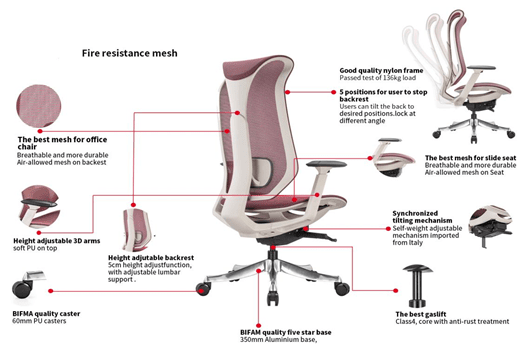
An important attribute of any kind of office chair would be the adjustable height. This helps users set the chair to a height that will fit their desk and promote good posture.
Look for chairs with a pneumatic adjustment lever so there may be easy, smooth changes in height. Proper height adjustment is marked with your feet flat on the floor, thighs parallel to the ground, and your arms even with desk height.
Lumbar Support
This is necessary for the care of the lower back. A good office chair should have adjustable lumbar support that follows the natural curve in the spine, thus providing extra needed support throughout the day. The lumbar support maintains the natural inward curve of the lower back to prevent one from hunching over, thus giving your body a healthy posture.
Seat Material
The type of material used on the seat affects comfort and durability. Mesh seats provide a chance for airflow, which in turn keeps one cool. Leather and fabric seats enhance the worldly feel.
Go for material that will bring comfort, durability, and looks. Additional high-density foam padding can provide the necessary support and comfort by lessening pressure on the hips and thighs during long working hours.
Armrests and Headrests
Armrests and headrests provide additional support and comfort. Adjustable armrests let a user maintain a relaxed posture, which relieves pressure on the shoulders and neck area.
A headrest would help in case one needs additional support at the neck level. Properly fitted armrests help keep your shoulders relaxed and lower the efforts of upper back and neck strain.

How to Choose the Right Office Chair
Assessing Your Needs
Before buying an office chair, consider your specific needs, think about the hours you will be sitting daily, earlier health problems, and personal taste in materials and adjustability.
One way to weed out the chairs unsuitable for your problems is by looking at highly adjustable chairs with support, in case you suffer from chronic back pain or other ergonomic needs.
Try Before You Buy
If possible, always test an office chair before buying it. Sitting on the chair for a few minutes will give you an idea about the comfort and support provided by the chair.
Notice how your body feels and if the chair provides good posture. Many retailers extend trial periods or make their showrooms available to test models.
Reading Reviews and Ratings
Other customers’ reviews and ratings are very handy. Check for any feedback on durability, comfort of use, or some other problems related to the product. It is possible to get accurate information from trusted review sites that have historical purchases verified. Use both the positive and negative to have a general clear understanding of performance over time.
Benefits of a Good Office Chair
Improved Posture
A good office chair supports the normal curvature of the spine, which promotes good postures. These good postures are then associated with a reduced strain on the back and neck.
That means less discomfort and long-term sicknesses occur. Improved postures also allow for easier breathing and blood flow for improved health.
Enhanced Productivity
High-level comfort brings about high-level productivity. When you’re comfortable, you won’t get too distracted with discomfort or pain, and then you can focus on what you’re doing. A supportive chair will reduce fatigue and in turn make you efficient at work, increasing the duration of work done.
Reduced Risk of Health Issues
Investing in a quality office chair can reduce the risk of developing musculoskeletal problems. Proper support and ergonomics make for the prevention of problems such as back pain, neck pain, and repetitive strain injuries. Such health benefits add up over time to lesser medical expenses and a better quality of life.

Office Chair Maintenance Tips
Cleaning and Care
While it might seem insignificant, regular cleaning can make a huge difference in the life expectancy of your office chair. As the days pass, much dust and dirt are collected in the fabric and mechanisms.
Vacuum or clean the chair with a damp cloth, for deeper cleaning, refer to the manufacturer’s instructions. For fabric chairs, fabric cleaners or stain removers can be used on the chairs as needed.
Regular Adjustments
Your chair can always be readjusted with time to help you regain comfort and support whenever that starts to slip. Check the settings periodically or if you feel a little discomfort. Proper height adjustment, lumbar support, and armrests can make a great deal of difference.
The other major thing in keeping the chair going is the proper adjustment of moving parts, tightening of screws, and lubrication of mechanisms. This can work wonders in making your chair last longer.
Common Mistakes to Avoid
Ignoring Ergonomics
One of the biggest mistakes is ignoring ergonomic features. An aesthetically pleasing chair without proper support can lead to discomfort and health issues. Prioritize ergonomics over style to ensure long-term comfort and well-being. Ergonomics should always take precedence over appearance when choosing an office chair.
Skipping the Trial Period
Another common mistake is to not test the chair before purchase. Although there do exist chairs very highly rated indeed, not all would suit every single body type and preference. Make sure it’s the chair for you by taking advantage of the trial periods or seeing showrooms. Spend a little time in it before putting your money on it.
Conclusion
Choosing the right office chair is a vital investment in your health and productivity. By considering your specific needs, testing different models, and prioritizing ergonomic features, you can find a chair that offers comfort and support for your work environment. Whether you’re seeking the best overall chair or a budget-friendly option, this guide provides the information you need to make an informed decision.