The Importance of Owning Ergonomic Office Chair
In today’s modern workspace, an ergonomic office chair is not just a luxury, but a necessity. As remote working becomes more common, office Spaces are evolving to accommodate flexible working environments where employees spend more and more time at their desks. The average office worker spends hours in front of a computer, which can lead to a range of health problems, including back pain, poor posture and repetitive strain injuries. Ergonomic office chairs, designed to support the body’s natural posture, play a vital role in alleviating these issues and promoting overall health.
What Is An Ergonomic Office Chair ?
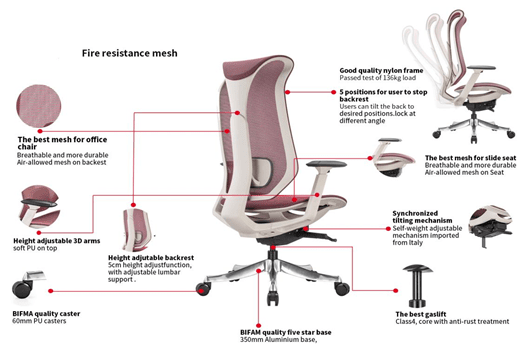
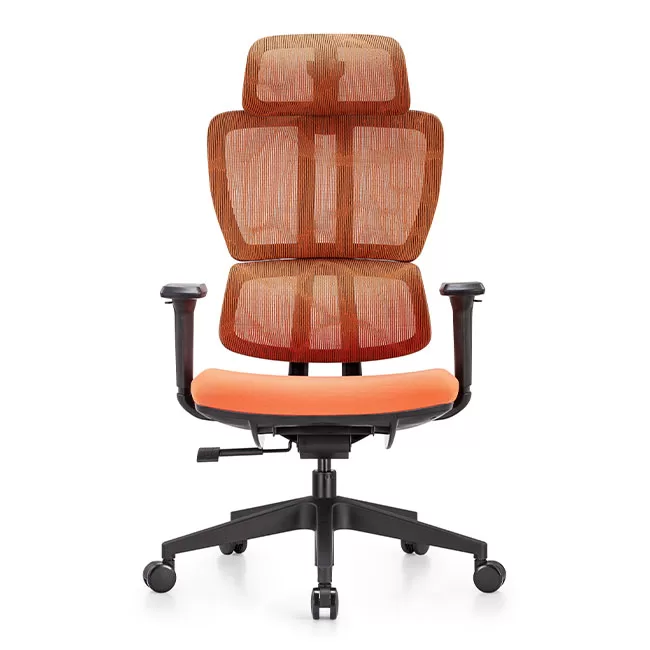
MAC Chair’s ergonomic office chair is a specially designed chair that supports the user’s body by promoting proper posture, comfort, and movement. Unlike traditional chairs, which can be uncomfortable to sit on for long periods of time, ergonomic chairs are tailored to provide adjustable features that ensure the chair fits the user’s body size, shape, and sitting habits. The main features of an ergonomic chair include adjustable seat height, waist support, armrests, seat depth and backrest tilt.
The purpose of the ergonomic chair is to reduce the stress on the body caused by sitting for long periods of time. A properly adjusted chair aligns the spine and pelvis, reduces stress on the lower back, and provides support for the upper body, which can prevent or reduce discomfort, pain, and injury.
The Benefits of Ergonomic Office Chairs
1. Promote proper posture
One of the main benefits of an ergonomic office chair is that it promotes proper posture. Sitting in a poorly designed chair for long periods of time often leads to slouching, which can cause the spine to curve unnaturally. This puts pressure on the lower back, shoulders and neck, leading to discomfort and long-term health problems.
The ergonomic chair encourages a neutral sitting position with the spine properly aligned. Lumbar support provides additional lower back support to prevent slouching, and the depth and Angle of the seat allows for a relaxed and comfortable sitting position. This can help employees avoid musculoskeletal problems and improve their overall posture in and out of the office.
2. Reduce back and neck pain
Back and neck pain is one of the most common complaints of office workers. Sitting for long periods of time, especially with poor posture or in an uncomfortable chair, can lead to chronic pain in the spine, neck and shoulders.
Ergonomic office chairs help alleviate these problems by providing lumbar support, which supports the natural curve of the spine. Many ergonomic chairs have adjustable backs that allow the user to find the best Angle for the back and relieve pressure on the lower spine. In addition, the adjustable headrest on some ergonomic chairs can support the neck and reduce the risk of neck strain, which is especially important for those who spend a lot of time talking on the phone or sitting in front of a computer.
3. Increased productivity
While comfort is an important factor in choosing an ergonomic office chair, it can also help increase productivity. The discomfort caused by a bad seat can lead to frequent breaks, decreased concentration, and a decrease in overall productivity. Ergonomic chairs, on the other hand, provide a comfortable and supportive seating experience that encourages employees to stay focused and productive.
Proper lumbar support and adjustable seating can reduce the need for frequent changes of position or unnecessary rest. When employees feel comfortable in a chair, they can focus better on their tasks, which increases productivity and reduces distractions during the workday.
4. Prevent repetitive strain injuries
Repetitive strain injuries (RSIs), such as carpal tunnel syndrome or tendinitis, are common among office workers who type or use a mouse for long periods of time. Ergonomic chairs can help reduce the risk of these injuries by promoting proper sitting posture and providing proper support for the arms, shoulders, and wrists.
The arms of the ergonomic chair are adjustable, allowing users to hold their arms at a natural, relaxed Angle while typing or using a mouse. This minimizes pressure on the shoulder and wrist, reducing the risk of RSI. In addition, the ability to adjust the height and depth of the seat ensures that the user remains in the best position to work at the desk, preventing tension caused by poor posture for long periods of time.
5. Improve circulation
An often overlooked benefit of ergonomic office chairs is their positive effect on blood circulation. Sitting for too long can lead to poor circulation, especially in the lower extremities, which can lead to discomfort, swelling, and even varicose veins.
An ergonomic chair with the appropriate seat height and depth ensures that your thighs are parallel to the floor and your feet are flat on the ground. This position promotes blood flow throughout the body.